Dimming
A lower output can make the difference between architectural glow and unnecessary glare, especially on homes close to neighbors or pedestrian views.


Boulder restrained architectural lighting guide
A restrained Boulder lighting guide for homeowners who want architectural definition, lower-glare planning, and control without turning the roofline into a billboard.
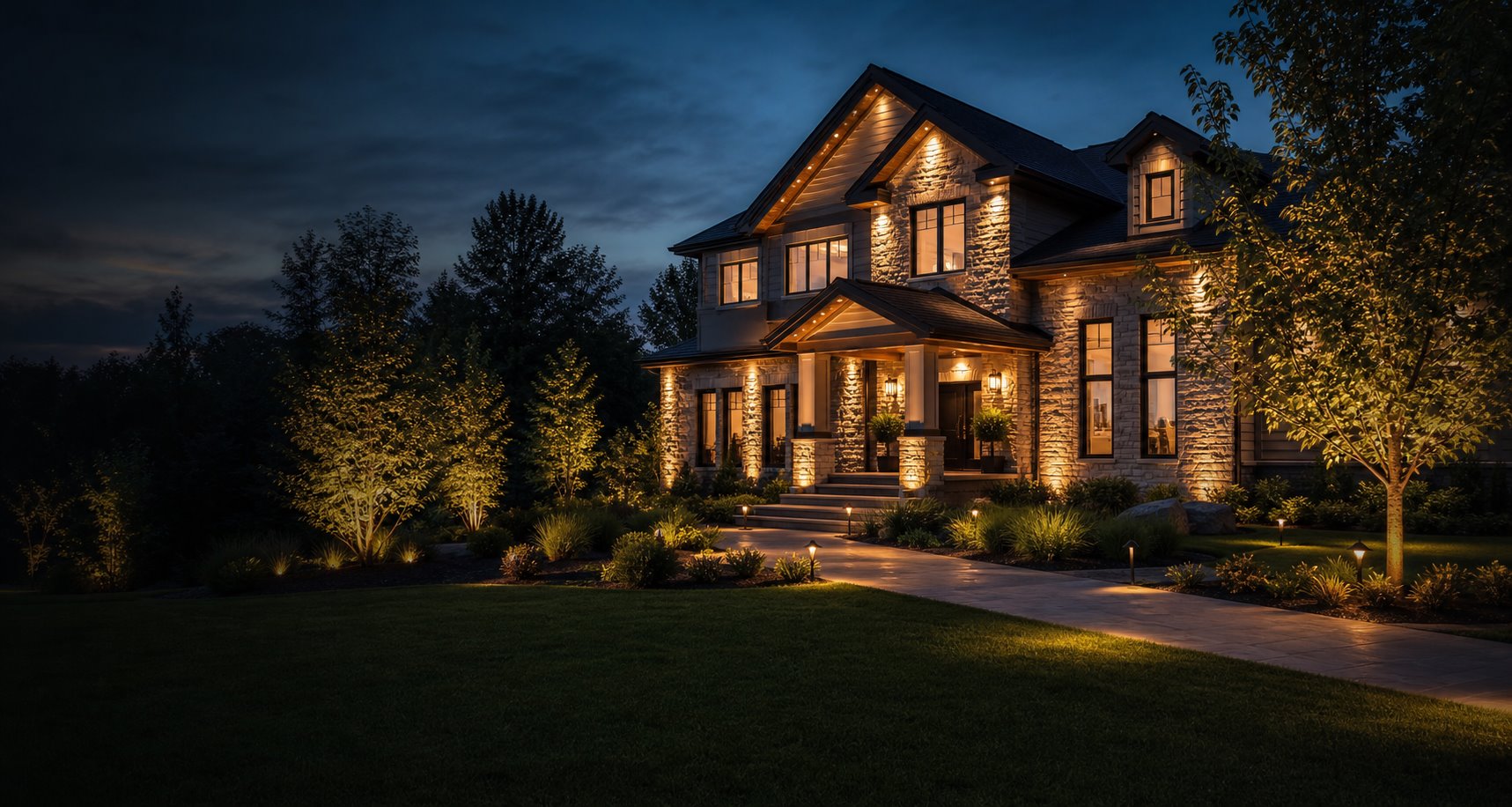
Architectural restraint
A Boulder roofline often benefits from a quieter approach: warmer everyday scenes, lower brightness, fewer unnecessary runs, and careful control of where the light is aimed. The goal is to define the architecture without spilling attention into places the homeowner never meant to light.
That design language pairs well with permanent systems because saved scenes can separate ordinary evenings from holidays. Warm white can carry most nights, while brighter color can remain occasional and deliberate.
Control choices
A lower output can make the difference between architectural glow and unnecessary glare, especially on homes close to neighbors or pedestrian views.
A warm-white default scene keeps the system useful outside the holidays and helps the roofline feel integrated with the home.
Separate zones can keep an entry, gable, or rear outdoor space active without lighting every run at the same level.
Exterior-lighting checks
Boulder publishes outdoor-lighting ordinance resources that discuss light trespass, glare, shielding, color temperature, upward light, and safety goals. Firefly does not provide legal determinations, so homeowners should check current city, HOA, covenant, or district rules for their property before relying on any exterior-lighting plan.
Start with warm-white architectural use, then decide where color belongs for holidays or events.
Think about neighbors, sidewalks, patios, and windows before selecting brightness and zones.
Check official city, HOA, covenant, or district requirements when they may apply to exterior lighting.
Use the Visualizer to save a lower-glare concept with the estimate request.
Boulder fit
The benefit is not maximum brightness. It is convenience, architectural definition, and the ability to save quiet everyday scenes alongside occasional color.
Local service area
These references help homeowners describe property setting and lighting sensitivity; they are not customer, office, or approval claims.
See Your Home in Lights
Use the Visualizer to compare warm-white, dimmed, partial-zone, and holiday scenes so the first pricing conversation starts with restraint already baked in.
Design Your LightingLocal FAQ
No. Firefly can discuss practical design and installation considerations, but homeowners should verify current city, HOA, covenant, or district requirements for their own property.
That is the point of planning warm-white scenes, dimming, and zones. The system does not need to run bright color every night to be useful.
Think about light direction, nearby views, brightness, warm-white tone, zones, and any property-specific rules that may apply to exterior lighting.
Start with Get My Price, or preview the project first in the Firefly Home Lighting Visualizer.