Respect the roofline
Older and newer Littleton homes can have layered peaks, porch details, and additions. The lighting plan should follow the lines that already define the house.


Littleton established-home lighting guide
A Littleton homeowner guide for permanent roofline lighting that respects established architecture, keeps the system visually clean during daylight, and gives the home warm-white presence after dark.
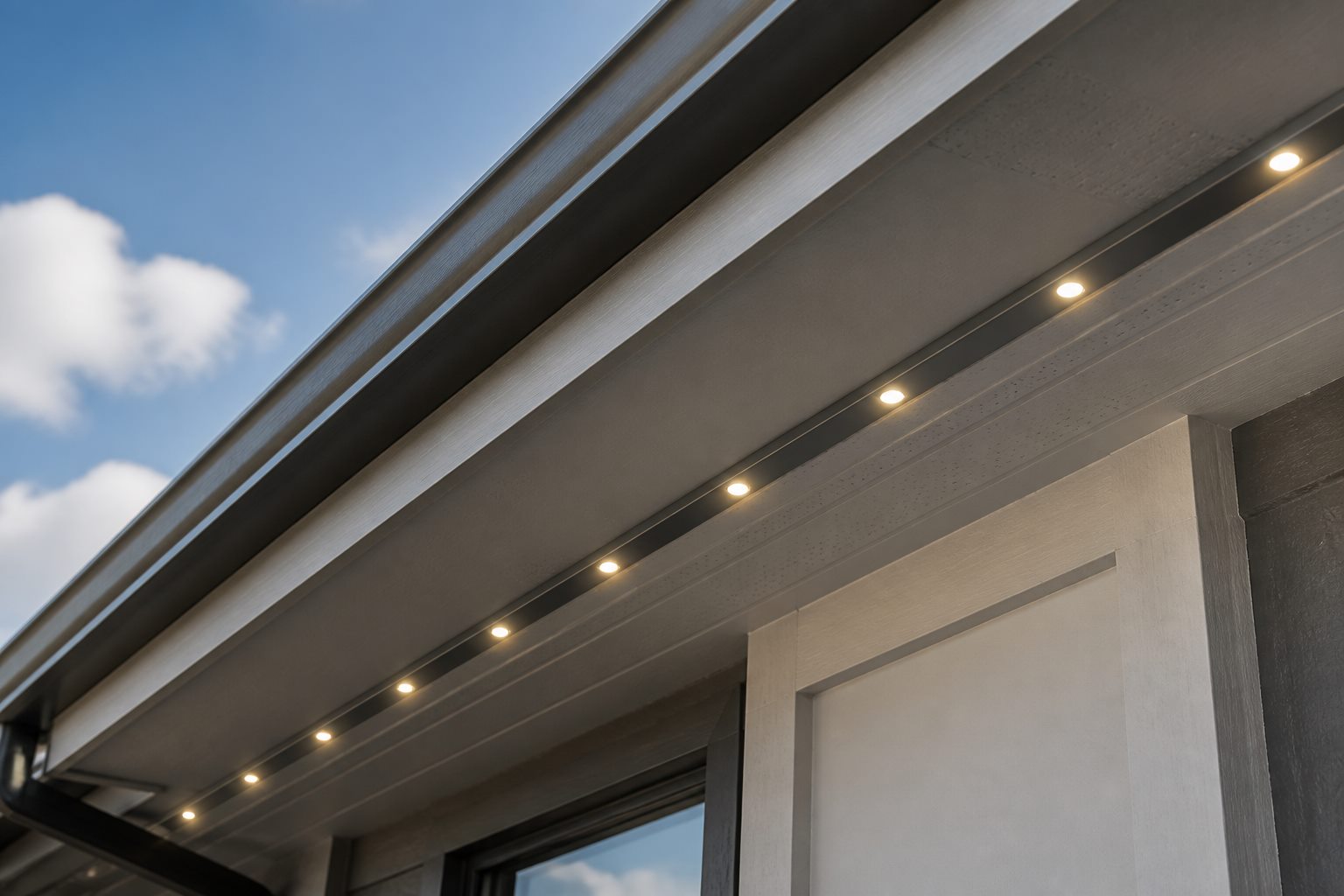
Architectural integration
Littleton has neighborhoods where the roofline, trim, brick, stone, and mature landscaping matter as much as the light itself. A useful plan starts by choosing which fascia runs, gables, porch returns, and garage lines should carry the system, then deciding what should stay quiet.
That approach keeps the daytime installation restrained and gives the nighttime scene a more architectural feel. The result can support everyday warm white, holidays, and occasional color without turning every elevation into a display.
Useful choices
Older and newer Littleton homes can have layered peaks, porch details, and additions. The lighting plan should follow the lines that already define the house.
Discreet track placement matters when the system is off. The goal is a clean visual read along fascia and trim rather than obvious daytime equipment.
Warm-white scenes can make the system valuable on ordinary nights, while color remains available for holidays and events.
Planning context
Littleton publishes design, building, and submittal resources for exterior work and development review. Firefly does not make legal or HOA approval determinations, so homeowners should confirm requirements applicable to their property when design review, covenants, or permitting questions may apply.
Decide whether the front roofline is enough or whether side returns, porch sections, or rear outdoor spaces should be part of the first estimate.
Trim color, gutter placement, fascia depth, and roofline breaks can change how discreet the track can be.
Choose a warm-white baseline before adding holiday or event color so the system has year-round purpose.
Check official city, HOA, covenant, or district requirements when they may apply to exterior lighting or exterior changes.
Best fit
Permanent lighting is most useful when it supports curb appeal most of the year and becomes festive only when the homeowner wants that shift.
Local service area
These references help homeowners describe property setting and nearby context; they are not customer, office, project, or approval claims.
See It On Your Home
Use the Firefly Visualizer to compare coverage, warm white, color scenes, and roofline emphasis before the first pricing conversation.
Design Your LightingLocal FAQ
They should be planned to stay visually quiet, but Firefly does not claim every component disappears. Track placement, trim color, roofline shape, and viewing angle all matter.
Yes, a warm-white scene can be used for everyday curb appeal when brightness and roofline coverage are chosen with restraint.
Start with clear photos and a Visualizer concept, then decide which peaks, fascia runs, and porch or garage lines deserve light and which should stay unlit.
Start with Get My Price, or preview the project first in the Firefly Home Lighting Visualizer.